Ultrasound-Guided Fascial Plane Blocks for Acute Rib Fracture Pain

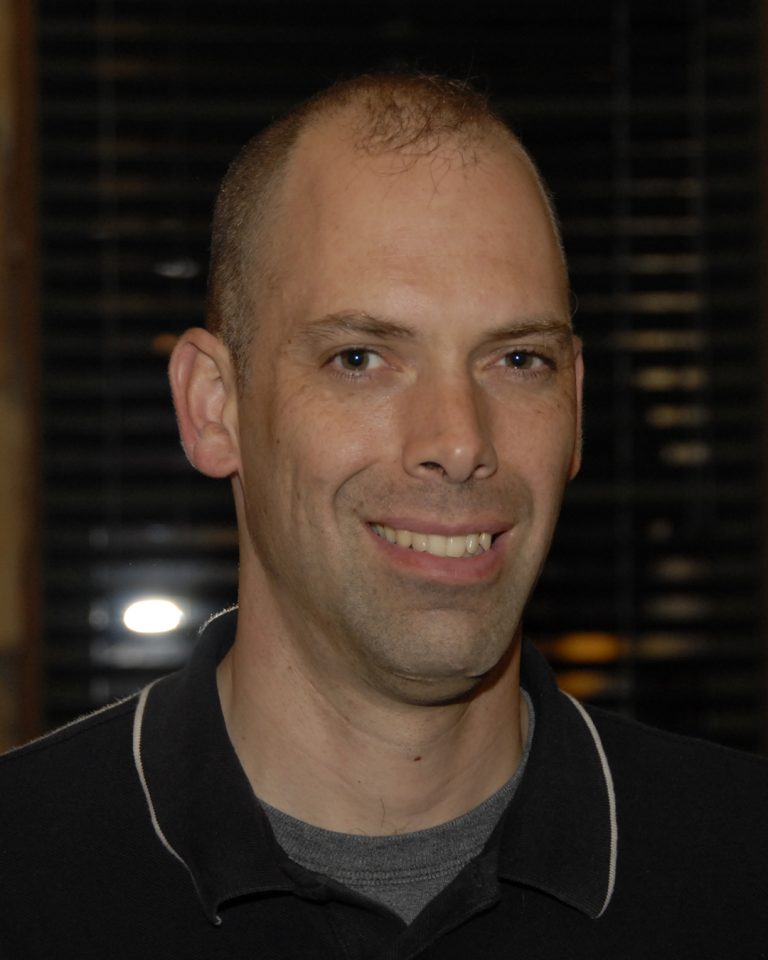
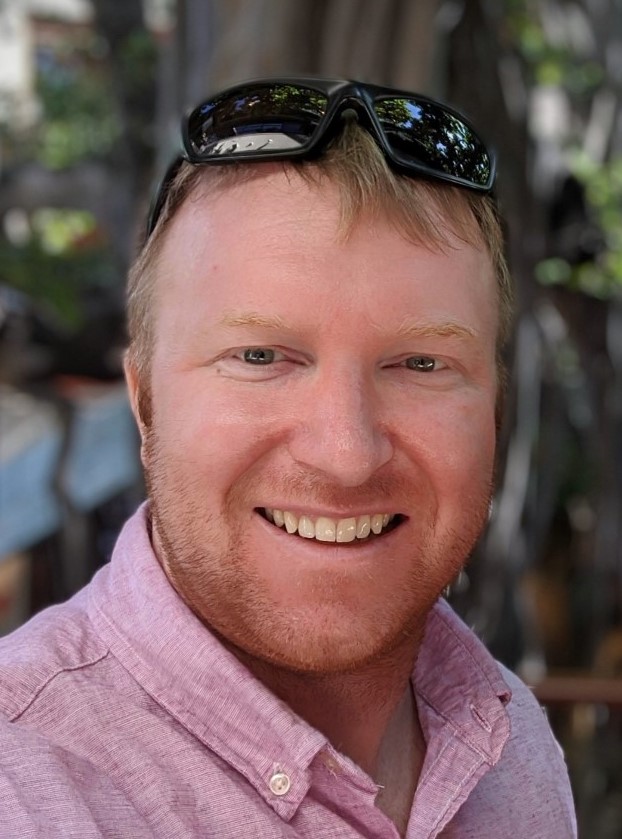
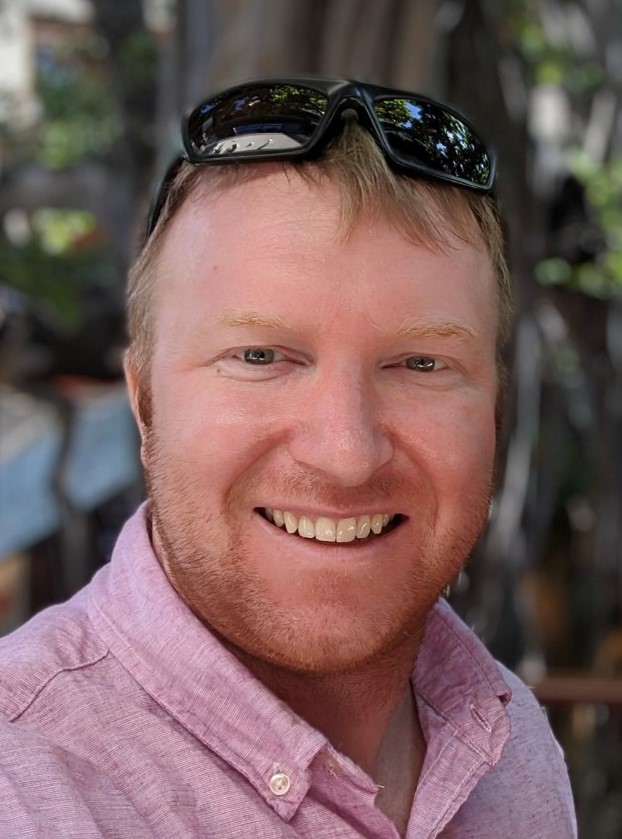
MTSA’s latest issue of the Airways newsletter features a synopsis of the scholarly work of graduate and Acute Surgical Pain Management fellow Michelle Stotts (right), DNAP, CRNA. Future opportunities for Continuing Education focused on this and other topics will appear in upcoming issues of Airways upon CE credit approval from the AANA.

“I’ve developed a passion for education and am eager to share the knowledge obtained through MTSA with SRNAs and my CRNA colleagues.” —Michelle Stotts, Class of 2021

TITLE: Ultrasound-Guided Fascial Plane Blocks for Acute Rib Fracture Pain in a Level IV Trauma Center: A Literature Review and Introduction of an Evidence-based Analgesia Algorithm for Uncomplicated Rib Fractures
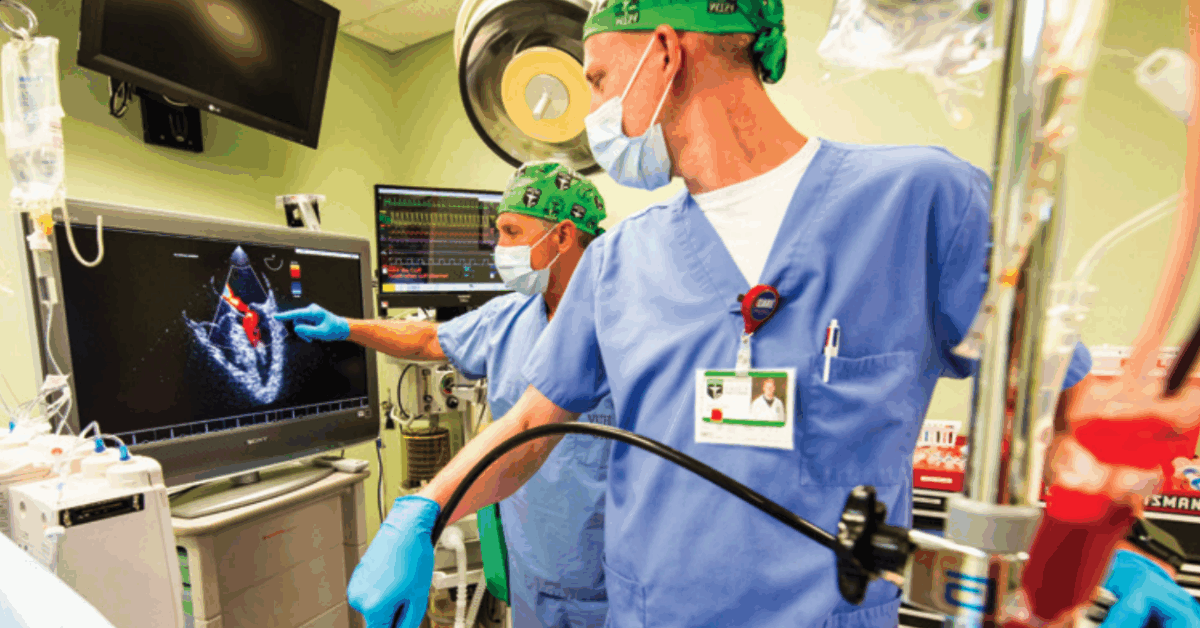
AUTHORS: Michelle Stotts, DNAP, CRNA; Hallie Evans, DNP, CRNA, APRN; Christian Falyar, DNAP, CRNA; Bill Johnson, DNAP, CRNA.

SYNOPSIS: Effective pain management reduces the incidence of respiratory complications in rib fracture patients. The incorporation of ultrasound into regional anesthesia has led to newer fascial plane blocks of the chest wall that can be used as part of a multimodal pain management plan. While current systematic reviews focus on indications and efficacy of fascial plane blocks compared to placebo, there is little research comparing them to traditional methods of regional analgesia for rib fracture pain. A literature review was conducted comparing ultrasound-guided erector spinae or serratus anterior fascial plane blocks to thoracic epidural or paravertebral blocks for the treatment of acute chest wall pain to support development of a rib fracture analgesia algorithm. Overall, studies comparing the fascial plane and traditional regional analgesia groups found comparable analgesia, opioid consumption and improved respiratory function in thoracic surgery and rib fracture patients. Development of an evidence-based multimodal analgesic algorithm incorporating ultrasound-guided fascial plane blocks to guide the management of acute rib fracture pain provides additional regional pain management options. This has implications for rural and small community facilities where traditional regional interventions may not be feasible.

ABOUT THE AUTHORS

Michelle Stotts, DNAP, CRNA, is a nurse anesthetist at Roane General Hospital, a Level IV Trauma Center and Critical Access Hospital (CAH), in Spencer, WV. She is a graduate of CAMC’s School of Nurse Anesthesia with a Masters in Healthcare Administration from Marshall University in 2002. The author was a student in the Doctorate of Nurse Anesthesia Practice Completion Program at Middle Tennessee School of Anesthesia at the time this article was written.

Hallie Evans, DNP, CRNA, APRN, is an Associate Professor at MTSA.

Christian Falyar, DNAP, CRNA, is an Assistant Professor and Assistant Director of the Duke University Nurse Anesthesia Program in Durham, NC.

Bill Johnson, DNAP, CRNA, is the Director of the Acute Surgical Pain Management Fellowship at MTSA.
Middle Tennessee School of Anesthesia to Commemorate National CRNA Week

Middle Tennessee School of Anesthesia (MTSA) is joining healthcare providers nationwide in recognizing the unique skills of Certified Registered Nurse Anesthetists (CRNAs) during National CRNA Week Jan. 23-29.

More information is available at www.mtsa.edu/CRNAweek.

“CRNAs continue to demonstrate resilience and leadership during an especially challenging time for our healthcare system,” said MTSA President Chris Hulin, DNP, MBA, CRNA. “This year, we commemorate their dedication to providing safe, high-quality patient care.”

According to the American Association of Nurse Anesthesiology (AANA), more than 59,000 CRNAs and student registered nurse anesthetists provide anesthetics to patients in the United States each year, delivering the same safe, high-quality anesthesia care as other anesthesia professionals but at a lower cost, helping to control the nation’s rising healthcare costs.

Due to its significant alumni base in the region, MTSA estimates more than 75% of Middle Tennesseans having surgery entrust their lives to its graduates on a daily basis.

“No matter the obstacles, CRNAs deliver essential healthcare in thousands of communities and are able to prevent gaps in access to anesthesia services, especially in rural, inner-city and other medically underserved areas of the country,” Hulin added.

About CRNA Week
National CRNA Week is the AANA’s annual celebration of anesthesia patient safety, helping patients, hospital administrators, healthcare professionals, policymakers, and others become more familiar with the Certified Registered Nurse Anesthetist (CRNA) credential and the exceptional advanced practice registered nurses who have earned it.

About Middle Tennessee School of Anesthesia
Founded in 1950, Middle Tennessee School of Anesthesia (MTSA) provides graduate-level education and training of nurse anesthetists in a Christian environment born of its Seventh-day Adventist heritage. MTSA is the only independent, fully accredited anesthesia institution of its kind in the nation, instilling excellence through innovative and diverse clinical experience. More than 75% of Middle Tennesseans having surgery entrust their lives to its graduates on a daily basis. A leader in academic, clinical and professional distinction, MTSA is responsive to the needs of its constituents, providing affordable graduate education for students from diverse backgrounds. For more information, visit www.mtsa.edu or call (888) 353-MTSA.

More information about the role and value of CRNAs is available from the AANA at www.aana.com.

MTSA Welcomes New Trustees

MTSA has welcomed three new trustees to its Board.

Kenneth Holroyd, MD, MBA, is Medical Director for the Center for Technology Transfer and Commercialization at Vanderbilt University and Vanderbilt University Medical Center, and also holds appointments as Associate Professor of Anesthesiology and Medicine. Joining Vanderbilt University in 2005, Ken is on the Board of Directors of Cumberland Emerging Technologies and The Human Vaccines Project, while previously serving on the Board of Directors of the Tennessee Technology Development Corporation, Informatics Corporation of America (ICA), Acuitec, digiChart, and Friends in Global Health. He is past Co-Chair of the Public-Private Partnership Committee of the National Institutes of Health’s Clinical and Translational Science Award (CTSA) Program. At Vanderbilt, his clinical practice of medicine is in Anesthesiology. Ken was in the biopharmaceutical industry for seven years, at Magainin Pharmaceuticals and Genaera Corporation, where he was Executive Vice President and Chief Operating Officer. Previously he was a faculty member at the University of Pennsylvania and at Johns Hopkins University, where his research interests included the genetics and molecular biology of asthma. Ken received his residency training in internal medicine and in anesthesiology at Johns Hopkins Hospital and University, and in pulmonary medicine at the National Institutes of Health. Johns Hopkins University awarded him the M.D. degree in 1984.

Nicholas Howald is Chief Operating Officer at TriStar Skyline Medical Center. He came to TriStar Skyline from sister facility TriStar Hendersonville Medical Center in Hendersonville, where he served as COO for two years. He oversees operations at the 278-bed hospital and related care areas serving communities in and around Middle Tennessee and Southern Kentucky. Nick has seven years of increasing responsibility with HCA, starting as an administrative intern at TriStar StoneCrest Medical Center, then as an administrative resident and later as associate administrator at TriStar Centennial Medical Center. He also spent a period of time serving as the interim executive for the TriStar Transfer Center. Nick is originally from Iowa and earned his Bachelors of Arts, Masters in Health Administration and Policy, and Masters in Business Administration from the University of Iowa. In Hendersonville, he has served on the board of the Chamber of Commerce in Hendersonville and graduated from Leadership Sumner. Nick and his wife, Rachel, live in Hendersonville.

Paul Mazzoni, MD, is Managing Partner at Cardiovascular Anesthesiologists (CVA). Originally from New York City, he attended Tulane University for both undergrad and medical school. His anesthesiology residency and cardiac fellowship were done at Maine Medical Center in Portland. He began his career at Cardiovascular Anesthesiology PC at Saint Thomas Hospital in Nashville in 1984 and has been practicing there ever since. In his current practice he performs anesthesia for cardiac, neurosurgical and general cases about one third of the time each. He continues to keep a full clinical load and has been the managing partner of the group for the past 17 years, responsible for business operations.

Advanced Regional Cadaveric Workshop Offered Oct. 17

MTSA is offering an Advanced Cadaveric Ultrasound-Guided Regional Anesthesia workshop for CRNAs on Oct. 17. Participants receive the benefits of small-group “live” scanning and needling stations, low faculty-to-attendee ratios, and an individualized learning plan that suits the attendee’s needs in regional anesthesia, according to Bill Johnson, DNAP, CRNA, Director of the MTSA Acute Surgical Pain Management Fellowship and DNAP Completion program. Information presented is highly practical and immediately useful to the attendee’s daily clinical practice.

Johnson said that the following blocks will be taught and demonstrated: PECs I/II, erector spinae, infraclavicular, serratus anterior, costoclavicular, RAPTIR, quadratus lumborum, TAP (iliohypogastric/ilioinguinal, transversalis, and posterior TAP), suprascapular (anterior and posterior approaches), and paravertebral nerve blocks. Advanced approaches to upper and lower extremity will also be taught, to include axillary at the circumflex artery, distal upper/lower USGRA blocks, and anterior sciatic.

Instructors for the daylong workshop include Johnson; Stace Dollar, MS, CRNA; John M. Edwards, III, MS, CRNA; Kelly Martin, MS, CRNA; and MTSA Acute Surgical Pain Management Fellows.

Participants can earn up to 16 Class A CE credits by completing the pre-course content and the course content combined. In addition, the AANA designates this program as meeting the criteria for up to 2 CE Credits in pharmacology/therapeutics.

Registration is available at www.mtsa.edu/workshops. For more information contact Bill Johnson at (615) 732-7846, bill.johnson@mtsa.edu.

MTSA Faculty Publish Study In ‘Annals of Breast Surgery’

A research study on new recovery protocols co-authored by Stace Dollar, MS, CRNA, and John Edwards, III, MS, CRNA, was recently published in the Annals of Breast Surgery. Both serve as faculty for MTSA’s Acute Surgical Pain Management (ASPM) Fellowship and have been working toward advanced scholarship in nurse anesthesia.

Their study, Reduction in Opioid Consumption, Pain, and Anti-emetic Use: An Enhanced Recovery After Surgery Protocol for Breast Cancer Patients, tested an enhanced recovery after surgery protocol specifically designed to manage postoperative pain, nausea and vomiting among women undergoing mastectomy.

“We presented the preliminary data for this study at a couple different conferences, one in Dublin, Ireland, and the other in Dallas,” Edwards said. “Since then we developed the manuscript, submitted it and went through the review process. We’re grateful to have had the opportunity and see it get published in a peer-reviewed journal.”

Edwards was the corresponding author for the article. He said each of the authors played a different part in the research process. His role included working with the nursing research department in his facility, headed by Dorothy Brockopp, MSN, PhD, RN, FAAN; getting the writing team organized; managing the manuscripts; and bringing the project to completion with the reviewers.

“This research ties in perfectly with how we manage acute surgical pain. Being a part of the ASPM Fellowship helped make this process more manageable because we studied these cutting-edge techniques, and the Doctoral Completion program helped us learn how to prepare research for publication. So the education I’ve received at MTSA has really prepared me well for this type of work,” he added.

Edwards said he and Dollar look forward to working on future research studies. Some areas of interest include: exploring opioid disposal, drugs used to reduce bleeding during total joint replacement surgery, reducing axillary pain after shoulder surgery, and regional anesthesia techniques for a specific electrophysiology procedure.

Dollar and Edwards were recent recipients of the ASPM Fellowship “Outstanding Achievement Award,” presented at MTSA’s 2019 Commencement ceremony. Both are CRNAs at Baptist Health Lexington in Kentucky, where they co-founded and co-direct an Acute Pain Service. In addition, Edwards was the 2019 recipient of the Nevin Downs, MD Leadership Award. In 2018, Dollar received the Mary Elizabeth DeVasher Distinguished Alumni Service Award.

Walid Abou-Jaoude was the first author on the mastectomy study, with other co-authors Susan G. Yackzan, Stacy Stanifer, Martha Monroe, Barbara Self, Heather Shearin, and Thomas J. Young.

ABSTRACT

Background: Patients undergoing mastectomy, both with and without immediate reconstruction, frequently experience postoperative pain, nausea and vomiting. Enhanced recovery after surgery protocols have been designed in part to minimize these postoperative complications. The aim of this study was to test an enhanced recovery after surgery protocol specifically designed to effectively manage postoperative pain, nausea and vomiting among women undergoing mastectomy.

Methods: A retrospective cohort analysis was designed to examine the difference between patients who experienced traditional recovery after surgery (TRAS) and patients who experienced enhanced recovery after surgery regarding pain, opioid consumption, and antiemetic administration. The sample (N=204) included women undergoing mastectomy both with (n=102) and without (n=102) immediate reconstruction. No significant differences were found between these groups. Similarly, no significant differences were found related to the following sample characteristics; age, body mass index (BMI), opioid use, and pain scores on admission.

Results: Significant differences were found between groups related to pain on day of surgery (P<0.001), and postoperative day one (P<0.001). In addition, significant differences were found on both days (day of surgery P<0.001 and postoperative day one P<0.001) for opioid consumption and antiemetic administration (day of surgery P<0.009 and postoperative day one P<0.005). Mean, standard deviation, and frequency differences in the variables range from moderate to strong.

Conclusions: Results of this study among women with breast cancer undergoing mastectomy with and without reconstruction suggest that this enhanced recovery after surgery protocol can improve pain management, reduce opioid consumption, and diminish anti-emetic intake.

Stace Dollar, MS, CRNA

John Edwards, III, MS, CRNA

Acute Surgical Pain Management Fellowship Expands Clinical Sites, Curriculum

Participants in MTSA’s Acute Surgical Pain Management (ASPM) Fellowship will soon have access to a new state-of-the-art clinical site in Mt. Shasta, Calif., focused on transitional pain services, according to Bill Johnson, CRNA, DNAP, Director, ASPM Fellowship and Doctorate Completion Program.

MTSA graduate Jon Wilton (right) is director of anesthesia and chronic pain at Mercy Medical Center Mt. Shasta. His practice focuses on opioid-free interventions for chronic pain management. Wilton has joined MTSA in a special role as a clinical mentor and will help develop curriculum based on the growing area known as “transitional pain,” which includes a wide variety of preoperative interventions to minimize pain while a patient awaits surgery. It also includes caring for patients who transition to chronic pain.

“Jon operates one of the most cutting-edge anesthesia departments anywhere in the country,” Johnson said. “They’ve moved to a transitional pain service model where patients come in up to six weeks before their surgery, and they are able to provide long-acting regional blocks, which allow the patient to manage their pain without using narcotics. Then during surgery, they perform the conventional blocks that we teach in the Fellowship, followed by post-operative pain management.”

Johnson said that the Fellowship curriculum will begin to reflect the growing shift into transitional pain management, led by Wilton’s expertise. A few examples include preoperative cryoanalgesia for shoulders, knees, and intercostal nerves; pulsed or continuous radiofrequency neuromodulation for the shoulder, hip, and knees; and greater and third occipital nerve blocks and musculoskeletal injections, among other therapies.

“When we examine acute versus chronic pain, it’s really more of a continuum,” Wilton said. “There are plenty of patients, up to 85 percent depending on the procedure, who have surgery and end up with chronic pain. A transitional pain service helps remove the divide between chronic and acute. We’re identifying patients who are at risk before surgery and taking special precautions to make sure that their pain is treated adequately.”

According to Johnson, Wilton’s role as a clinical mentor for MTSA places him at the highest tier of knowledge and experience in nurse anesthesia, as evidenced by his use of innovative techniques and publishing original research articles. In addition, he has developed one of the largest online groups for ultrasound-guided regional anesthesia, with more than 6,000 global members sharing information and best practices.

“Because state regulations don’t allow the use of fluoroscopy, Jon employs an extremely innovative procedures for chronic pain management using ultrasound exclusively, which is practically unheard of. In addition, he has expanded the utilization of certain equipment which has pushed manufacturers such as Avanos and Iovera to recognize the application of their products in nurse anesthesia, adding CRNAs to their provider list. This includes both freezing and applying heat to nerves to prevent them from transmitting pain for a long period of time,” Johnson said.

According to Johnson, as the transitional pain curriculum is added to the Fellowship, the initial focus will be on long-term pain management for shoulder and knee patients, then expanded into other specialties.

“Jon’s involvement at MTSA will have huge benefits to our Fellows and, by extension, patient care in a variety of settings. It will boost the innovation and clinical experiences of our Fellows and provide exciting new opportunities for our profession,” Johnson added.

JOIN THE FELLOWSHIP
Now Enrolling

From medical management approaches, such as multimodal therapies and opioid sparing strategies, to advanced interventional techniques, including continuous catheter utilization, the ASPM Fellowship enables CRNAs to acquire the knowledge to treat patients with confidence and skill.

The Fellowship curriculum includes special focus on perioperative point-of-care ultrasound (PoCUS), which is the use of portable ultrasonography at a patient’s bedside for diagnostic and therapeutic purposes. Along with its use for pain management, heart, lung and abdominal ultrasound scanning may reveal sources of hypotension, hypoxemia and other presentations of cardiopulmonary instability.

In addition, fees for the basic and advanced Regional Cadaveric Workshops are waived during the Fellowship enrollment period for any applicants who have met all the admission requirements.

Application period closes Nov. 1. For more information about the ASPM Fellowship, visit www.mtsa.edu/fellowship.

MTSA Improving Online Learning Modules

MTSA has begun the process of upgrading its online modules for the Acute Surgical Pain Management (ASPM) Fellowship, making two strategic hires to help manage the improvements.

Michael Morgan, MA, Instructional Design Specialist

Deirdre Williams, BS, LMS & IT Support Specialist

Michael Morgan, MA, Instructional Design Specialist, and Deirdre Williams, BS, LMS & IT Support Specialist, are coordinating the efforts under the direction of Bill Johnson, DNAP, CRNA, Director of the Fellowship and DNAP Completion program.

“We originally built the Fellowship using content from 31 different faculty who had their own way of presenting the material,” Johnson said. “In order to provide more consistency, we’re overhauling our online modules to conform to a single template. All the content will be packaged into SCORMs (shareable content object reference models), which allow learners to navigate along a fixed set of paths through the material.”

“I’m taking existing course content and making it more interactive. So instead of clicking through a PowerPoint slide, there will be widgets and graphics that display animated information and clickable tabs to display text and images,” said Morgan, whose background includes instructional design and teaching experience at the University of Tennessee and Georgia State University, as well developing courses for corporations such as Verizon.

According to Johnson, other Fellowship content will be streamlined into smaller segments. For example, instead of watching an hour-long video, modules will allow students to navigate through different sections of the lessons at their own pace. In addition, students will have access to written transcripts of the lectures, and all the videos will have closed captioning so viewers can mute the audio and read the closed captioning as it’s being presented.

Further enhancements include knowledge checks and interactive learning assessments that students will do throughout the module, which also helps to break up the lecture. This helps reiterate what they’re learning with a series of questions, improving their knowledge retention, Johnson said.

“This process will take at least a year to fully complete, but we’re aiming to launch some of the new modules this fall with the new Fellowship cohort,” Johnson said, adding that MTSA’s goal is to transition all of its continuing education offerings to this interactive online approach, followed by the DNAP Completion program.

“I really enjoy this content because I know it’s meaningful, and it helps CRNAs become better at their profession, which helps patients with pain management. And the process of working with Bill and the team has been very constructive,” Morgan said.

Scholarship Created to Honor MTSA Alumna Patty Cornwell

Many dedicated, hard-working individuals leave their imprint on a profession, but few are deserving enough to have both a scholarship and an award established in their honor. MTSA alumna Patty Cornwell (’72) is one of the deserving ones.

Cornwell, a retired CRNA, devoted her professional career to providing exceptional anesthesia care to patients for surgery, labor and delivery, and other surgical procedures, and she devoted her spare time to serving the nurse anesthesia profession she loved. After graduating from MTSA, she joined the AANA in 1972 and the Tennessee Association of Nurse Anesthetists (TANA) in 1976. Throughout her decades of membership, she served on dozens of committees and became passionate about advocating for her profession at the local, state and national levels.

In return, Cornwell is being honored by TANA and AANA with the creation of the Patty Cornwell Stewardship and Advocacy Scholarship, to be awarded annually to a student nurse anesthetist enrolled in one of Tennessee’s nurse anesthesia educational programs. The first scholarship will be awarded this spring. This follows the establishment in 2015 of the Patty Cornwell Practitioner of the Year Award, given annually by TANA to a Tennessee CRNA in recognition of Cornwell’s exemplary career as a clinician.

“Throughout her career, Patty was a shining example for all nurse anesthetists on how to provide high-quality, compassionate, patient-centered care,” said MTSA Chairman of the Board of Trustees and TANA President Vic Martin, MBA, CRNA. “As a dedicated association member, Patty worked tirelessly to strengthen TANA and to advance and protect nurse anesthesia practice. She truly has been a difference-maker for our profession.”

“When I was pursuing my degree, my focus was always to just get through school and get a job,” said Cornwell. “I knew nothing about the work of the AANA or state associations at the time. After graduation, I went to work in Florida. That’s where two of my colleagues took me to a state meeting for the first time and got me interested in becoming an active member.”

After returning home to Tennessee, Cornwell went on to serve on every single TANA committee – including as president three times – and was the organization’s executive director, lobbyist, and federal political director at various points during her career. She also served in various capacities for the AANA, the national association representing the nation’s nearly 60,000 nurse anesthetists. Much of Cornwell’s work focused on ensuring CRNAs’ ability to practice to the full scope of their education, training, certification and licensure.

Cornwell emphasizes to new CRNAs that how they introduce themselves to their patients can help raise awareness of the profession.

“Make sure your patients know exactly who you are,” she advises. “I always told my patients: ‘I am a Certified Registered Nurse Anesthetist, and I will be providing your anesthesia today.’ I left no question or doubt.”

“I always encourage CRNAs and students to get involved in their state association and be as knowledgeable as possible about what is going on around them that can impact their profession and career,” she continued. “It’s important to pay attention and keep your eyes and ears open at all times.”

Source: Tennessee Association of Nurse Anesthetists

Neuraxiom.com provides new educational content for CRNAs

MTSA has launched Neuraxiom.com, a revamped website of practical resources to help anesthesia providers learn ultrasound for regional nerve blocks, announced Bill Johnson, DNAP, CRNA, Director of the MTSA Acute Surgical Pain Management Fellowship and DNAP Completion program.

Originally created by Jack Vander Beek, Neuraxiom.com is now owned and authored by MTSA and includes free content as well as opportunities for special access to fee-based continuing education modules. The site also features interactive anatomy illustrations and a range of content on subjects such as ultrasound, pharmacologic agents and local anesthetics.

In addition, Neuraxiom.com enables CRNAs to participate in continuing education, including current information on acute pain management with options to take a quiz and receive AANA credit.

Vander Beek developed the Neuraxiom textbook and website by documenting and illustrating a compendium of Ultrasound-Guided Regional Anesthesia (USGRA) techniques that have been successfully adopted by a countless number of regionalists over the years. It applies an evidence-based approach in updating the vast amount of knowledge that has been published in USGRA in the last decade.

For more information, visit neuraxiom.com.

Fabich Receives ASPM Fellowship ‘Outstanding Achievement Award’

U.S. Army Major Robert Fabich, DNP, CRNA, was the 2020 recipient of the Acute Surgical Pain Management (ASPM) Fellowship “Outstanding Achievement Award,” presented at Middle Tennessee School of Anesthesia’s Commencement ceremony in December.

Fabich currently serves as the Chief of Anesthesia at Bassett Army Community Hospital at Fort Wainwright in Fairbanks, Alaska. Prior to that, he was part of 102nd Forward Surgical Team deployed to Syria, supporting U.S. troops on their final push against ISIS.

“Robert has done some outstanding work in the field of acute surgical pain management,” said Bill Johnson, DNAP, CRNA, Director of the Fellowship and DNAP Completion program, during the award presentation. “During his deployment, he participated in more than 600 trauma cases, making him the busiest deployed anesthesia provider in the combat theater.”

Fabich began the MTSA Fellowship in 2018 but had to leave the program for his deployment. After returning to the U.S., he re-enrolled in the Fellowship and completed the program in 2020.

“Robert has presented internationally on topics of acute pain management. He most recently presented at the World Congress of Nurse Anesthetists in Glasgow, Scotland, while enrolled in the Fellowship. His military decorations include the Meritorious Service Medal, Army Commendation Medal with a Combat Device, and Expert Field Medical Badge. He supports the local community in Fairbanks by volunteering with the local fire department as an EMT and a firefighter,” Johnson said.

Fabich used his war-time experience to publish three case studies, with the help of several colleagues, that were circulated in the journal Military Medicine:

  • A Novel Use of the Erector Spinae Block in the Austere Environment (co-authors: Sharrod Greene, DNP, CRNA; Currie Tighe, BSN, RN; Rebekah Devasahayam, MD; and Tyson Becker, MD, FACS)
  • Definitive Management of a Traumatic Airway: Case Report (co-authors: Benjamin T. Franklin, MD, and Nicholas Langan, MD)
  • Rare Use of Posterolateral Thoracotomy in an Austere Environment (co-authors: Rebekah J. Devasahayam, MD; Currie A Tighe, BSN; and Tyson E. Becker, MD)

“There’s no other program that’s as cutting-edge when it comes to acute surgical pain management and ultrasound-guided regional anesthesia as MTSA’s program. It’s above and beyond anything I experienced in my initial CRNA education. Dr. Bill Johnson does an amazing job with the amount of content that has gone into the program. As a bonus you have the opportunity to learn and interact with some of the heavyweights of regional anesthesia in our profession,” Fabich said.

“I’d like to thank Fellowship faculty such as Bill Johnson, John Edwards, Dan Nash, Stace Dollar, Patrick Myer and others. Each one of them taught me something that I’ve been able to apply in my practice or teach to another colleague. Because of the instruction they gave me, they’ve affected the lives of service members across the United States and the world,” Fabich added.

Prior to joining the Army, Fabich received his BSN from the Military College of Vermont Norwich University, He was accepted into the United States Army Graduate Program in Anesthesia Nursing (USAGPAN), and earned his DNP from Northeastern University. A native of Bedford, N.H., he is married to his wife Rebecca of 11 years.

About the Outstanding Achievement Award

Recipients are selected by MTSA and the American Association of Nurse Anesthetists (AANA) to receive the Outstanding Achievement Award, which includes a $1,000 cash prize. The award is based on a Fellow’s ability to:

• contribute to the clinical expertise and scholarship in acute pain management;
• advance the scope of nurse anesthesia practice;
• develop innovative acute surgical pain management approaches that contribute to safe and effective patient care;
• inspire other nurse anesthesia providers in the profession;
• interact collegially with all health care providers to positively impact the image of nurse anesthesia; and
• participate in community affairs, legislation and organizations that affect and advance nurse anesthesia practice.

Rosann M. Spiegel, JD, DNAP, CRNA, APRN

Dr. Spiegel has been a Certified Registered Nurse Anesthetist since 1987 and a licensed attorney in the state of Florida since 2005. In 2022, Dr. Spiegel retired from her position as Assistant Professor and Program Director of the Florida Gulf Coast University Nurse Anesthesiology Program in Fort Myers, Florida and currently engages in clinical practice at an outpatient surgery center in Lecanto, Florida. Dr. Spiegel earned a Diploma in Nurse Anesthesia from the Mary Hitchcock Memorial Hospital School of Nurse Anesthesia at the Dartmouth-Hitchcock Medical Center in 1986, a Juris Doctor degree, magna cum laude, from the Florida International University College of Law in 2004, and a Doctor of Nurse Anesthesia Practice degree from Virginia Commonwealth University in 2013. From 2005 to 2006, Dr. Spiegel served as an Assistant Public Defender for the Law Offices of the Public Defender for the Eleventh Judicial Circuit of Florida, and from 2006 to 2011, she was in private practice as a trial lawyer primarily representing claimants in disability insurance disputes in state and federal courts. She has been an invited speaker on various legal, ethical, and clinical topics at local, state, and national professional meetings.

Modules/Topics Taught:
  • Legal, Ethical, and Professional Issues in APM

Maria Overstreet, PhD, RN

Dr. Overstreet earned her PhD in Nursing at the University of Tennessee, Knoxville in 2009. Her selected studies focused on nursing education methodologies including adult education and the use of nursing clinical simulation and debriefing exercises. Dr. Overstreet’s research focused on the current practice of nursing clinical simulation debriefing. Overstreet’s research findings led to the identification of three new patterns among educators and Fellows alike: accentuate the positive, higher order thinking, and experience counts.

Those patterns have driven Dr. Overstreet to focus on creating successful mentoring partnerships between the Fellows and faculty at MTSA. Serving as a mentor to nursing and nurse anesthesia Fellows at both the masters and doctoral levels, as well as faculty, Dr. Overstreet strives to look at the whole person when evaluating and advising on successes and areas for improvement. Consideration of the mentee’s physical, emotional, spiritual, and social health are just as important as their academic status, and Dr. Overstreet encourages mentors to incorporate strategies to ensure the mentee walks away with attainable goals and expectations, as well as resources they may need for support along their educational journey.

In 2017, Dr. Overstreet joined the Georgia Independent Colleges Association’s Higher Education Leadership Development (HELD) Mentor Program, where she provides one-on-one mentorship in development of leadership and skills in higher education for new Deans of a university in that state.

While away from campus, Dr. Overstreet enjoys growing summer fruits and vegetables and watching the daily antics of her foster cats and squirrel.

  • Advanced Mentoring Skills

Lorraine M. Jordan, PhD, CRNA, CAE, FAAN

Dr. Jordan is a CRNA who serves as the AANA Foundation’s CEO and AANA Chief Advocacy Officer. Lorraine works for the American Association of Nurse Anesthesiology and earned her anesthesia and doctoral degrees from The Ohio State University in Columbus, Ohio. In her role of Chief Advocacy Officer, she oversees Federal Government Affairs, AANA PAC, State Government Affairs, Practice, Wellness, Professional Education, Publications, Fellows Program and Research and Quality Departments. She serves as the CEO of the AANA Foundation, a nonprofit organization that supports research and education of nurse anesthetists. Dr. Jordan has been active and served in several organizations such as a surveyor for the Accreditation Association for Ambulatory Health Care, Chair of the Interagency Collaborative on Nursing Statistics, Academy Health, American Academy of Nursing, and Chair of the Nursing Foundation’s organization. Dr. Jordan’s passion includes nurse anesthesia education, quality and outcomes, the impact of anesthesia care, cost-effectiveness and healthcare policy.

Wendy Hoersting, DNAP, MBS, CRNA, APRN, CNE

Wendy Hoersting has been a clinical preceptor and student mentor since entering the anesthesia arena in 1997. For 25 years, her focus has been on her family, anesthesia practice, and community. Wendy currently serves as the sole CRNA to an oral surgery practice in coastal Georgia and offers shadowing and college planning to high school and college students. Due to a love for learning and the nurse educator track’s introduction, she returned to complete her DNAP at Middle Tennessee School of Anesthesia. Some areas of interest include evidence-based practice, provider self-care, advocacy, and mentoring.

Derek Bruff, PhD

Visiting Associate Director, Center for Excellence in Teaching & Learning, University of Mississippi

Derek Bruff is an educator, author, and higher education consultant. He directed the Vanderbilt University Center for Teaching for more than a decade, where he helped faculty and other instructors develop foundational teaching skills and explore new ideas in teaching. Bruff consults regularly with faculty and administrators across higher education on issues of teaching, learning, and faculty development. Bruff has written two books, Intentional Tech: Principles to Guide the Use of Educational Technology in College Teaching (West Virginia University Press, 2019) and Teaching with Classroom Response Systems: Creating Active Learning Environments (Jossey-Bass, 2009). He writes a weekly newsletter called Intentional Teaching and produces the Intentional Teaching podcast. Bruff has a PhD in mathematics and has taught math courses at Vanderbilt and Harvard University.

Jon Wilton

Modules/Topics Taught:
  • Ultrasound guided chronic pain
  • Ultrasound guided MSK


Christi Williams, PT, DPT, OCS, Cert. MDT

Dr. Christi Williams is a physical therapist and an Associate Professor in the School of Physical Therapy at Belmont University in Nashville, TN. Dr. Williams is an APTA Board Certified Clinical Specialist in Orthopedics and has also received her certification from the McKenzie Institute as a specialist in Mechanical Diagnosis and Therapy of the Spine. She serves as the director of anatomy at Belmont and teaches Human Anatomy in the physical therapy program, which includes full cadaveric dissections. In addition, she teaches Clinical Pathophysiology II and Kinesiology labs which help link the students’ basic understanding of anatomy & physiology to understanding the disease process and developing basic clinical examination skills for neuromuscular assessment.

Modules/Topics Taught:
  • Neuromuscular Assessment of the Upper and Lower Extremities

Ken Wetmore, MA

Ken Wetmore, MA, serves as the Senior Pastor of WholeLife Church in Orlando, FL, in addition to teaching in the Fellowship. He received his Master of Arts in Organization Leadership from Gonzaga University and his Bachelor of Arts in Communications from Southern Adventist University. Ken Wetmore joined the MTSA faculty as School Chaplain in 2012 and served in that position until 2021, which included teaching the Religion courses in the entry to practice program. He also served as the senior pastor at the historic, Madison Campus Seventh-day Adventist Church from 2016 to 2021. Although Pastor Wetmore no longer acts as MTSA School Chaplain, he continues to be an integral part of the Acute Surgical Pain Management Fellowship. Prior to becoming a pastor Ken worked in public relations and broadcast news. He has traveled extensively and has lived in New Zealand and Guam. His hobbies include reading, rugby, softball, music, and photography.

Modules/Topics Taught:
  • Spiritual and Cultural Aspects of Pain

Scott Urigel, MSN, CRNA

Scott M. Urigel, MSN, CRNA, earned his MSN at the Cleveland Clinic School of Nurse Anesthesia, Case Western Reserve University. He is a co-owner of Western Reserve Anesthesia Education and developer of the Block Buddy App, which is designed to assist in performing ultrasound-guided nerve blocks and point of care ultrasound (POCUS). Scott is a practicing CRNA at the Institute of Orthopedic Surgery where he performs general and ultrasound-guided regional anesthesia. He is also affiliated with Maverick Medical Education, where he contributes as an instructor in advanced pain management and POCUS.

Modules/Topics Taught:
  • Truncal Blocks II (Quadratus Lumborum Blocks)
  • Truncal Blocks III (Transversalis Fascial Plane Block)

Rhea Temmermand, PhDc, MSN, CRNA, FAANA

Rhea Temmermand, PhDc, MSN, CRNA, FAANA is a distinguished research scientist specializing in neuropharmacology within the Department of Pharmacology and Physiology at Drexel University. Her research focuses on the role of glutamate transporters in astrocytes and their impact on pain modulation, with particular emphasis on neuropathic pain, non-opioid drug development, and opioid addiction. In addition to her full-time research endeavors, she serves as an Adjunct Professor in Drexel University’s Nurse Anesthesia program and is the co-editor of a comprehensive science textbook designed for nurse anesthesiologists. She is also the co-founder of Atomic Anesthesia, an innovative EdTech company dedicated to transforming complex scientific and clinical concepts into accessible and practical resources for nurse anesthesia residents and CRNA faculty.

Dru Riddle, PhD, DNAP, CRNA, FAAN

Dru is a Professor and Director of Clinical Education at Texas Christian University and co-chair of the Cochrane US Network. He practices clinically in Fort Worth TX and has an interest in pharmacogenomics having completed his PhD at the Medical University of South Carolina. Dru is an active clinician, academic, and researcher.

Modules/Topics Taught:
  • Pharmacogenetics, Dynamics, and Kinetics of Acute Pain Management

Steve Parrish, MHS, CRNA

Steve Parish, MHS, CRNA, is currently the full-time Vice-Chief Nurse Anesthetist at John Peter Smith Hospital, a level-one trauma center in Fort Worth where he also serves as a CRNA. Mr. Parrish has been performing regional anesthesia for 8 years and is active in educating his hospital and anesthesia group in r/t regional anesthesia. He assisted with the establishment of the Acute Pain team for John Peter Smith Hospital in 2016. His goal is to help facilitate the education of regional anesthesia to those desiring to broaden their professional practice.

Modules/Topics Taught:
  • Upper Extremity Peripheral Nerve Blocks III (Suprascapular Block)

Daniel Nash, DNAP, CRNA

Daniel Nash, DNAP, CRNA, earned his Doctorate of Nurse Anesthesia Practice from Texas Wesleyan University and has been providing anesthesia as a sole practitioner and care team member since 1994. Dr. Nash is currently a partner at Maverick Regional Anesthesia Educators, LLC which provides schools, anesthesia groups, and working CRNAs with regional anesthesia education and Acute Pain Service consultation. He assisted with the formulation and implementation of the block program at a large hospital system in Texas and his specialty areas include pediatrics and regional blocks. He and his wife, Cathy, have been married for 35 years and have two children and two grandchildren. Dr. Nash loves fishing and music.

Modules/Topics Taught:
  • Lower Extremity Peripheral Nerve Blocks I (Fascia Iliaca)
  • Lower Extremity Peripheral Nerve Blocks III (Popliteal Plexus)

Patrick Moss, DNAP, CRNA

Patrick Moss, DNAP, CRNA, received his Master of Science with a focus in nurse anesthesia and Doctorate of Nurse Anesthesia Practice from the Middle Tennessee School of Anesthesia. His passion for educating colleagues about acute pain management – particularly those practicing in rural or underserved areas – led to doctoral work focused on determining the feasibility of tele-mentoring (remotely guiding) other CRNAs who have limited, or no, experience in providing ultrasound-guided regional anesthesia.  He has practiced nurse anesthesia for the last 19 years and is the Regional Vice President of Anesthesia Services for LifeLinc Anesthesia. He also serves as the Director of the Center of Excellence for Acute Pain Management for the Middle Tennessee School of Anesthesia and Halyard Health, facilitating quarterly cadaveric workshops focused on ultrasound-guided regional anesthesia. He and his wife, Mandy, have been married for 20 years and have two children, Parker and Will.

Modules/Topics Taught:
  • Lower Extremity Peripheral Nerve Blocks III (Obturator Nerve Block, Anterior Approach to the Sciatic Block)
  • Truncal Blocks I (ESP)
  • Truncal Blocks III (TPVB, Continuous Intercostal Nerve Block, Subpectoral Interfascial Plane Block)
  • Upper Extremity Peripheral Nerve Blocks III (RAPTIR, AxPB at Humeral Circumflex)

Jeffrey Molter, MSN, MBA, CRNA

Jeffrey Molter, MSN, MBA, CRNA, earned his MBA from Lake Erie College and his MSN at Case Western Reserve University. He is a practicing CRNA, owner, and president of Western Reserve Anesthesia Associates, an outpatient anesthesia center. He is a co-owner of the Block Buddy App for iPhone and Google, instructor and guest lecturer for Frances Payne Bolton School of Nursing at Case Western Reserve University, and guest lecturer for anesthesia programs throughout Ohio Lourdes University, Akron University, and Otterbein University.

Modules/Topics Taught:
  • Truncal Blocks I (TAP)

Munir Merchant, MD

Munir Merchant, MD, is an anesthesiologist with diverse experience. He is licensed in Texas, Missouri, and Arkansas, and currently is practicing in Fort Worth, TX.  He received his medical school training at the Seth GS Medical School in Mumbai, India. He completed residencies and internships in India and New York. He completed his fellowship in the Department of Pain Medicine at St. Luke’s Roosevelt Hospital Center, NY. Dr. Merchant has worked in a defense force hospital in Bahrain and then moved to the United States. He is committed to the field of anesthesia and pain management.

Modules/Topics Taught:
  • Clinical Assessment of Pain

Kelly Martin, MS, CRNA

Kelly Martin, MS, CRNA, received his Master of Science with a focus in nurse anesthesia from the WellSpan Health/York College of Pennsylvania nurse anesthesia program. He has been performing ultrasound-guided regional anesthesia for the past 6 years and currently serves as a member of the acute pain service at York Hospital. Kelly is also full-time faculty for the anesthesia program at York College of Pennsylvania. He is passionate about teaching acute pain management in both the classroom and clinical settings. Upon completion of the acute surgical pain management fellowship, Kelly’s goal is to help the acute pain service at York Hospital continue growing and to operate based on current guidelines and recommendations to provide safe and effective care.

Modules/Topics Taught:
  • Lower Extremity Peripheral Nerve Blocks III (Lumbar Plexus Block)

Serge Marchand, PhD

Serge Marchand, PhD, is a professor at the Faculty of Medicine and Health Sciences at Université de Sherbrooke. A neuroscientist by training, Dr. Marchand specializes in the neurophysiological mechanisms underlying chronic pain. His expertise includes pain evaluation in chronic pain patients, human somatosensory psychophysics, human electrophysiology, and endogenous pain modulation.

Dr. Marchand has held several key leadership roles in research and health sciences. He served as Scientific Director of the Sherbrooke University Hospital Research Center (2008-2013), Vice-President of Scientific Affairs at Genome Québec (2019-2020), and Scientific Director of the Fonds de recherche du Québec—Santé (2017-2019). During his tenure, he played a pivotal role in shaping research strategies and fostering scientific collaboration. From 2002 to 2010, he also held the Joint Chair in Physiopathology of Pain at UQAT-Université de Sherbrooke.

A prolific author, Dr. Marchand has written extensively on pain neurophysiology, publishing numerous scientific articles, book chapters, and books. His works include The Pain Phenomenon (Springer, 2024) and Mental Health and Pain (Springer Press, 2014).

Beyond his research, Dr. Marchand has contributed to national and international evaluation committees, providing expert insights to advance the field of pain science. His work continues to influence research, clinical practice, and healthcare policy.

Modules/Topics Taught:
  • Pathophysiology of Acute Pain

Mike MacKinnon, DNP, FNP-C, CRNA, FAANA

Mike MacKinnon graduated with a Master of Science in Nursing degree from Thomas Jefferson University in 2009, UMASS Boston as a Family Nurse Practitioner in 2015, and earned a Doctor of Nurse Practice degree from the University of Alabama in 2018. He has a special interest in difficult airways, ultrasound regional anesthesia, the business of anesthesia, and chronic pain management. Mike is co-owner of CE2 (www.ce2you.com) which trains CRNAs in the use of Ultrasound and non-surgical pain management.

Mike is currently the VP of Clinical and Practice Management for Valley Regional Anesthesia Associates (VRAA).

Modules/Topics Taught:
  • Business Fundamentals in Acute Pain Management

Brian Kasson, DNP, CRNA

Brian Kasson, DNP, CRNA, is an associate clinical professor at the Northern Kentucky University Nurse Anesthesia Program. He was a faculty member and speaker at the AANA’s highly acclaimed Spinal and Epidural Workshops for over 10 years and was the president of the Ohio State Association of Nurse Anesthetists. As author and coauthor, he has published in the AANA Journal, Anesthesia and Analgesia, as well as the chapters on Obstetrical Anesthesia in the 5th and 6th editions of Nagelhout’s textbook Nurse Anesthesia. As a speaker, he has presented at the state and national level.

John Halle, PT, PhD, ECS (Emeritus)

Dr. Halle, PT, PhD, ECS (Emeritus), earned his doctoral degree from the University of Iowa with a focus on Exercise Science. Dr. Halle was  with the Belmont Physical Therapy Program from1997 through May 2021, serving as Chair of the program from 2005 through May 2013. While Dr. Halle retired in 2021, he remains engaged with select classes within the Belmont Physical Therapy Program as an Emeritus Professor, and he continues to have an adjunct appointment within the Department of Medical Education and Administration at the Vanderbilt University School of Medicine. His professional areas of interest include anatomy, electrophysiological evaluation, orthopedics and sports medicine.

Modules/Topics Taught:
  • Aberrant Anatomy
  • Functional Neuroanatomy
  • Microanatomy

Tracie Goodwin, MHA/ED, BSP

Ms. Goodwin began her career in Nursing in Cardiology and Post Angioplasty and proceeded on to manage the Cardiac/EP Practice at Sutherland Cardiology for Dr Galen Van Wyhe for 10 years.  She worked for Avanos Medical for 10 years in the Acute Pain Division, Clinical Educator in the OR and patient care units, and presenting the benefits of an Acute Pain practice to administration and training nurses to assist in continuous peripheral nerve block and non-narcotic pain management

After receiving her Masters Degree in Healthcare Administration and Education she assisted in building the education department to further the mission on non and reduced narcotic pain management.  She is passionate about narcotic reduction while building confidence in the medical process.

Modules/Topics Taught:
  • Implementing an Acute Pain Service

David Gaskin, MHS, CRNA, NSPM-C

David has over 25 years of experience providing professional anesthesia services across all patient populations. He earned a BS in Nursing from Texas Christian University in 1993, a Masters in Health Sciences from Texas Wesleyan in 1998, and completed the Advanced Pain Management Non-Surgical Pain Management Fellowship through Texas Christian University in 2017-18. He was one of the first 50 Certified Registered Nurse Anesthetists in America to become board-certified in Non-Surgical Pain Management (NSPM-C). He relied on his extensive clinical experiences providing acute pain management techniques to form Maverick Medical Education with his good friend and coworker Dan Nash in January 2010. After completion of his pain fellowship, he opened Republic Pain Specialists in March 2019. Republic Pain Specialists was the first office-based pain practice owned by a CRNA in the state of Texas.

Modules/Topics Taught:
  • Lower Extremity Peripheral Nerve Blocks I (Femoral)
  • Upper Extremity Peripheral Nerve Blocks II (AxPB)
  • Transitional Pain (Stellate Ganglion Block)

Jamie Furstein, PhD, DNAP, CRNA, CPNP-AC, FAANA

Jamie Furstein, PhD, DNAP, CRNA, CPNP-AC, FAANA, received his Master of Science in Nursing with a concentration in Nurse Anesthesia from the University of Cincinnati in 2004. He worked at Cincinnati Children’s Hospital Medical Center for over 20 years before transitioning to an adult practice. Soon after Jamie embarked on his career as a CRNA, he refined his academic interests to explore techniques to manage pain in the pediatric population better. His efforts to ameliorate pain among pediatric patients have mainly focused on using ultrasound-guided regional anesthesia (UGRA) in clinical practice. As his clinical understanding expanded, so did his scholarly inquiry. Jamie remains actively involved in research on pediatric pain and is currently the Primary Investigator for several ongoing clinical trials. Over the years, Jamie has remained steadfast in his commitment to sharing the knowledge gained with future generations of clinicians. He has continually lectured at both local and national meetings and has repeatedly served as a hands-on instructor at the national level. Currently, he is faculty at three graduate nurse anesthesia programs and has developed several hands-on UGRA workshops designed for practicing clinicians wishing to incorporate UGRA into their clinical practice. The expertise he has gained throughout his career, in addition to his service to the nurse anesthesia community, has led to him receiving multiple awards for his contributions. Today, Jamie serves on several editorial boards guiding the literature specific to UGRA and pain management and continually seeks opportunities to further nurse anesthesia practice.

Modules/Topics Taught:
  • Evidence-Based Practice (EBP) in Acute Pain Management
  • Pediatric Regional Anesthesia
  • Scholarly Topics in Acute Pain Management

Helen Fosam, PhD

Helen Fosam, PhD, has 18 years of writing experience within academia and medical education. She currently serves as an international consultant, developing content for physician education in neurology, covering acute and chronic pain management, and has written numerous articles targeted at the physician audience focused on a pharmacological and non-pharmacological approach to pain management. She earned her PhD and completed her Post Doctorate research (Physiology) at Sheffield University, UK.

Modules/Topics Taught:
  • Non-Allopathic Considerations for Acute Pain Management
  • Psychological Impact and Neurocognitive Therapeutic Strategies of Acute Pain Management

Masson D. Farmer, DNP, CRNA

Masson D. Farmer, DNP, CRNA is a Certified Registered Nurse Anesthetist practicing independently in Texas. He earned his Master of Science in Nurse Anesthesia and Doctor of Nursing Practice Anesthesia from Texas Christian University. His doctoral work focused on aspects of multimodal analgesia sparking an interest in the field of acute pain management. He enjoys incorporating new ultrasound guided regional techniques into his practice and serving as a resource to his clinical colleagues. He advocates for the unencumbered practice of Nurse Anesthetists in Texas through volunteering for TxANA and the AANA and serves as a resource for regulatory and practice matters impacting Texas CRNAs. Outside of anesthesia, his interests include building/tinkering, cooking, drumming, and listening to music. He and his wife Carrie have one son.

Modules/Topics Taught:
  • Eye Blocks and Airway Blocks

John Edwards, DNAP, CRNA

John M. Edwards III, DNAP, CRNA, earned his Bachelor of Science degree from Murray State University in 1996 and his Master of Science in Anesthesia from Middle Tennessee School of Anesthesia in 2002. In January 2019, he completed the Acute Surgical Pain Management Fellowship from Middle Tennessee School of Anesthesia. In August 2021, he completed the Doctor of Nurse Anesthesia Practice degree at Middle Tennessee School of Anesthesia. John has been practicing at Baptist Health Lexington in Lexington, KY since 2004, where he Co-Founded and Co-Directs an Acute Pain Service. He is also the Co-Founder of Thoroughbred Anesthesia Academy and is a Course Collaborator  at Middle Tennessee School of Anesthesia in the Acute Surgical Pain Management Fellowship. John is a member of several medical professional committees such as the Baptist Health Lexington Acute Pain Committee, Baptist Health Lexington Opioid Committee, and the Baptist Opioid Safety and Ensurement (BOSE) committee. As Chair of the Acute Pain Committee, John has led the development of Baptist Health’s Acute Surgical Pain Management Guidelines and Acute Pain Order Set to provide a comprehensive approach to acute surgical pain management.

Modules/Topics Taught:
  • Lower Extremity Peripheral Nerve Blocks II (Adductor Canal)
  • Lower Extremity Peripheral Nerve Blocks III (iPACK block)
  • Truncal Blocks I (PECS I & II)
  • Upper Extremity Perineural Catheter Indications, Techniques, and Equipment
  • Upper Extremity Peripheral Nerve Blocks I (Brachial Plexus Block)

Stace Dollar, DNAP, CRNA

Stace D. Dollar, DNAP, CRNA, has been a practicing Certified Registered Nurse Anesthetist for 20 years and currently serves at Baptist Health Lexington, in Lexington, KY. He received his Doctorate of Nurse Anesthesia Practice from Middle Tennessee School of Anesthesia. He co-founded and co-directs an Acute Pain Service that has developed Enhanced Recovery After Surgery (ERAS) and regional anesthesia protocols for orthopedic joint replacement, neurosurgery, general surgery, breast cancer, urology, bariatrics, and plastics surgeries that improve patient outcomes and decrease length of stay. Dr. Dollar has traveled to Haiti with MTSA and the Touching Hands Project to serve on mission trips. While in Haiti, he was able to teach various regional anesthesia techniques to MTSA students. Dr. Dollar is also a clinical facilitator at the quarterly advanced cadaveric workshops facilitated by the Middle Tennessee School of Anesthesia.

Modules/Topics Taught:
  • Introduction to Regional Blocks
  • Superficial Cervical Plexus Block
  • Truncal Perineural Catheter Indications, Techniques, and Equipment
  • Upper Extremity Perineural Catheter Indications, Techniques, and Equipment
  • Upper Extremity Peripheral Nerve Blocks I (Infraclavicular Block)
  • Lower Extremity Peripheral Nerve Blocks (Nerve to the Vastus Medialis)

Jason Crosslin, MS, CRNA

Jason Crosslin, MS, CRNA, received his Master of Science with a focus in nurse anesthesia from Middle Tennessee School of Anesthesia and currently serves as a CRNA at LifeLinc Anesthesia. He also serves as a Regional Clinical Coordinator for Middle Tennessee School of Anesthesia at Northcrest Medical Center. He has been a member of both the Admissions Council and Progressions Committee at MTSA.

Modules/Topics Taught:
  • Lower Extremity: Adductor canal and catheter

Desiree Chappell, CRNA

Desiree Chappell, CRNA, is based in Louisville, KY. She has coordinated and assisted with the implementation of successful Enhanced Recovery Programs. She also serves as Associate Editor, US Lead, Anchor, TopMedTalk; Board of Directors for the American Society of Enhanced Recovery; Scientific Advisory Panel for Evidenced Based Perioperative Medicine (EBPOM)-USA; Founding Co-Director of PoCCo, LLC, The Perioperative Coaching Company.

Module/Topic Taught:
  • Enhanced Recovery After Surgery (ERAS)

Michael Burns, DNAP, CRNA

Michael Burns has been a CRNA for 21 years and an active member of AANA, MOANA, ASRA, and ESRA professional organizations. His clinical practice and research areas of interest are ERAS, acute pain management, and regional anesthesia. Burns’s lifelong focus has been to improve his patient’s safety, experience, and access to affordable healthcare in an economical responsible manner by educating future and present nurse anesthetists. Burns is a consultant and advisory panel member for several anesthesia medical device companies such as B Braun, Avanos, Teleflex, Edward’s Lifescience and Cumberland Pharmaceutics assisting with their development of new products and advancing the utilization of their current products as well as a medical legal consultant.

Module/Topic Taught:
  • Perineural Catheter Indications, Techniques, and Equipment

Patrick S. Myer, DNAP, CRNA

Clinical Mentor, St. Anthony’s Bone & Joint

Patrick S. Myer, DNAP, CRNA, has been a practicing Certified Registered Nurse Anesthetist since March 2006. He received his Master’s of Science in Nurse Anesthesia from Georgetown University and his DNAP from MTSA. He is also a graduate fellow of the inaugural cohort of the MTSA Acute Surgical Pain Management Fellowship. Patrick has a passion for patient-centered care and teaching others. He is an expert in regional anesthesia and point of care ultrasonography and frequently provides lectures and didactic instruction to other health professionals for regional anesthesia and point-of-care ultrasound examinations. Patrick currently works at SSM Health Bone and Joint Hospital in Oklahoma City, OK, as the Chief CRNA. He also serves as the clinical site coordinator for Middle Tennessee School of Anesthesia’s Acute Surgical Pain Management Fellowship.

Modules/Topics Taught:
  • Lower Extremity Peripheral Nerve Blocks I (PENG)


Nicolette B. Hooge, DNP, MBA, CRNA

Assistant Director, Acute Surgical Pain Management Fellowship

Nicolette B. Hooge, DNP, MBA, CRNA, is the Assistant Director of the Middle Tennessee School of Anesthesia’s Acute Surgical Pain Management Fellowship. In this role, she coordinates the clinical practicum, facilitates the fellowship seminar series, and organizes cadaveric and Point-of-Care Ultrasound (PoCUS) workshops. With 15 years of experience as a CRNA, Nicolette is actively engaged in clinical practice at VSON Alpine Orthopedic Surgery Center. She earned her Doctorate of Nursing Practice (DNP) from the Johns Hopkins School of Nursing and a Master of Business Administration (MBA) from Johns Hopkins Carey Business School. Nicolette has published in peer-reviewed journals and serves on the AANA finance committee as well as other professional national and regional committees.

Module/Topic Taught:
  • Acute Surgical Pain Management Fellowship Orientation
  • Cadaveric & POCUS Workshop
  • Clinical Practicum I
  • Clinical Practicum II
  • Clinical Practicum III
  • Teaching in Clinical Practice

Email: nicolette.hooge@mtsa.edu
Phone: 615-732-7667

Christian R. Falyar, DNAP, CRNA, FAANA

Director of the Acute Surgical Pain Management Fellowship

Christian Falyar is the Director of the Acute Surgical Pain Management Fellowship at the Middle Tennessee School of Anesthesia. As a former board-certified vascular sonographer, he has been involved in ultrasound-based education for nearly twenty years dating back to his research with transcranial Doppler sonography in patients suffering from subarachnoid hemorrhage. In addition to his role as Fellowship director, Dr. Falyar coordinates the cadaveric workshops, and teaches the regional anesthesia point-of-care ultrasound curriculum for the entry to practice program. Additionally, he holds an adjunct faculty position in the Department of Nurse Anesthesia at the University of Iowa. He lectures locally, regionally, and nationally on ultrasound related topics, and has been published in numerous peer-reviewed journals. For the past ten years, Dr. Falyar has served as the coordinator for the open ultrasound scanning labs at the AANA Annual Congress.

Modules/Topics Taught:
  • Acute Surgical Pain Management Fellowship Orientation
  • Acute Pain Management in the Non-Surgical Patient
  • Adjuvants
  • Anatomy: Cervical Plexus & Brachial Plexus
  • Anatomy: Lumbar & Sacral Plexus
  • Cadaveric & POCUS Workshop
  • Implications of Anticoagulant Therapy in Regional Anesthesia
  • Local Anesthetics and Lipids
  • Lower Extremity Peripheral Nerve Blocks II (Adductor Canal, Popliteal, Sciatic)
  • Neuraxial Techniques I & II
  • Non-opioid Analgesics
  • Non-traditional Approaches to Acute Pain Management
  • Opioid Analgesics
  • Perioperative Point-of-Care Ultrasound (PoCUS)
  • Ultrasound Principles

Email: christian.falyar@mtsa.edu
Phone: 615-732-7663

Bradley Steg, DNP, APRN, CRNA

Dr. Bradley Steg earned his Bachelor of Science from Middle Tennessee State University and his Doctorate of Nursing Practice from Union University, graduating as the class valedictorian for both degrees. In addition to earning his diploma, Dr. Steg received both the clinical and academic excellence awards as a SRNA.

Dr. Steg began his CRNA career at Jackson Madison County General Hospital in West Tennessee, where he was a member of the cardiac anesthesia team. Through his cardiac experience, he became highly skilled at using advanced hemodynamic monitoring to provide safe care to his patients. His involvement with this technology has given him the opportunity to actively serve as a clinical consultant for Edwards Lifesciences.

After moving back to Nashville, TN in 2023, Dr. Steg became a 1099 independent provider, practicing in various locations throughout the state. In addition to his clinical roles, he is currently an adjunct professor at Middle Tennessee School of Anesthesia.

Dr. Steg has been involved with both the American Association of Nurse Anesthetists (AANA) and the Tennessee Association of Nurse Anesthetists (TANA) since he started his anesthesia training in 2016. He has served on the TANA PAC committee in the past, and he will further his involvement with TANA by serving as the next District Ill Director.

Courses:
  • DEDU 860

Kim Sharkey, DNAP, CRNA, APRN

Faculty

Katrin Sames, DNAP, CRNA

Courses:
  • DBAP 840 Advanced Physiology & Pathophysiology: Pediatric Anesthesia
  • DEDU 850 Quality Improvement for Safety and Wellness in Patient Populations
  • DPCE 800 Physics, Chemistry and Biochemistry for Nurse Anesthesia
  • DNAP 640 Quality Improvement and Patient Safety
  • DNAP 660 Population Wellness and Health Promotion (Epidemiology)

Ginger Miller, DNP, CRNA

Courses:
  • DACS800, 810, 820, 830, 840 Simulation I-V
  • DBAP830 Advanced Physiology & Pathophysiology: Obstetrics Anesthesia

Michael D. Gooch, DNP, APRN, CCP, ACNP-BC, FNP-BC, ENP-C, FAASTN, FAANP

Courses:
  • DAPH 800 Pharmacology for the Advanced Practice Nurse: Nurse Anesthetists

Brent Dunworth, DNP, MBA, APRN, CRNA

Courses:
  • DEDU 820 Ethics, Leadership & Multicultural Healthcare in Nurse Anesthesia
  • DNAP 680 Leadership and Ethics in Nurse Anesthesia Practice

Brett Clay, DNAP, CRNA

Courses:
  • DAPP 800 Anatomy, Physiology, & Pathophysiology
  • DAPP 810 Advanced Anatomy, Physiology, & Pathophysiology I
  • DAPP 820 Advanced Anatomy, Physiology, & Pathophysiology II

Jordan F. Billings, DNAP, CRNA, APRN, CNE

Dr. Billings is a full-time faculty member at Middle Tennessee School of Anesthesia teaching in the Simulation lab and Doctorate Completion Program. She leads the Evidence-Based Practice I, II, III, IV classes and Informatics and Education for the completion program. She is a member of the School Life Committee and Wellness Initiative. She graduated from MTSA in 2017 and continues to work clinically as a CRNA. Dr. Billings completed the DNAP-C program and Nurse Educator Track through MTSA receiving her Certified Nurse Educator certification. She is the recipient of the 2023 The Larry Lancaster Outstanding Nurse Educator Award.

Courses:
  • Simulation -DACS 820
  • Evidence Based Practice I, II, III, IV: DNAP 600, 610, 700, 710
  • Education Curriculum, Instruction,Evaluation: Application: DNAP 715

Lewis McCarver, DNP, CRNA

Assistant Program Administrator, Director of Clinical Simulation
Courses:
  • DAPH 810, 820 & 830 Advanced Pharmacology Principles I, II & III
  • DACS800, 810, 820, 830, 840 Simulation I-V

Michele Gravois, DNAP, CRNA

Assistant Program Administrator
Courses:
  • DEBP 810, 820, 830 Evidence-Based Practice I, II & III
  • DEDU 820 Ethics, Leadership & Multicultural Healthcare in Nurse Anesthesia
  • DNAP 680 Leadership and Ethics in Nurse Anesthesia Practice
  • DEDU 830 Introduction to the Nurse Anesthesia Profession

Hallie Evans, DNP, CRNA, APRN, CNE

Director, Doctoral Completion Program and Nurse Anesthesia Educator Program

Hallie Evans, DNP, CRNA, APRN, CNE, began educating in 2009 as a clinical educator and preceptor for Nurse Anesthesiology students as well as a mentor for Scholarly projects. In 2015, she returned to school and earned her Post-Masters’ Doctorate of Nursing Practice degree. After earning this degree, she joined the faculty at Florida International University as an Assistant Clinical Professor, until accepting her position at MTSA in 2020. As a faculty member for the Nurse Anesthesia program at Florida International University, she taught a variety of courses in the didactic component of the Nurse Anesthesia program, including Technology in Anesthesia, Pharmacology, and Principles of Anesthesia. In addition to teaching didactically, she served as the coordinator of simulation creating, organizing, running, and evaluating anesthesia scenarios. She instructed the Scholarly Project progression of courses serving as a chair and supervisor of Doctoral Scholarly Projects. Throughout her academic career, she has maintained a strong clinical practice. Her scholastic interests include Evidence-Based Practice, Nursing Education, Leadership, and Regional Anesthesia to name a few. Currently, she teaches across the Doctorate Of Nurse Anesthesia Completion curriculum and serves as Director of the Completion Program.

Courses Taught:
  • Evidence Based Practice
  • Nursing Informatics
  • Nurse Education Teaching and Assessment
  • Nurse Education Theory and Foundations
  • Nurse Educator Practicum
  • Nurse Educator Curriculum Development

Alescia L. D. Bethea, PhD, MS, CRNA, APRN

Executive Vice President

Alescia Bethea, PhD, CRNA, APRN began her nurse anesthesia career in 1995 working with a small anesthesia group and precepting nurse anesthesia students on a daily basis.  She started working at the Nashville VA Medical Center in 1996, which included precepting nurse anesthesia students for a few years.  She was a part-time adjunct faculty member at Middle Tennessee School of Anesthesia (MTSA) in 1996 through 2005, where she taught Fundamentals of Nurse Anesthesia and was the first faculty member to integrate high-fidelity simulation into the curriculum starting in 2001.  In 2003, she returned to school to earn a PhD in Higher Education, and in late 2005 she transitioned to full-time employment at MTSA as the Associate Vice President for Institutional Effectiveness and Program Development.  In that role, she worked with the Program Administration to achieve 10-year reaccreditation from COA in 2008 and COA’s approval for the DNAP degree in a CRNA completion format in 2011.  In 2009, she led MTSA’s 10-year reaffirmation of accreditation with SACSCOC, and in 2012 she led MTSA’s successful application to SACSCOC for Level Change to the doctoral level.  Later in 2012, Dr. Bethea became the Nurse Anesthesia Department Chair and Program Administrator at AdventHealth University (AHU) in Orlando, FL.  While at AHU, in addition to teaching and mentoring roles, she led the program’s reaccreditations with COA in 2012 and 2020 (maximal 10-year span in 2020), and she led the transition to the DNAP degree, including obtaining COA and SACSCOC approvals for the new degree program.  In 2022, Dr. Bethea returned to MTSA as Executive Vice President, and in late 2023 she also began serving as Interim Program Administrator for MTSA’s entry-level DNAP program.

Chris Hulin, DNP, MBA, CRNA

President

Dr. Hulin is the President of Middle Tennessee School of Anesthesia and is a practicing Certified Registered Nurse Anesthetist (CRNA) with over 10 years of experience in this capacity. He currently serves on the National Advisory Council on Nurse Education and Practice (NACNEP), which advises the Secretary of the U.S. Department of Health and Human Services and the U.S. Congress on policy issues related to the Title VIII programs administered by the HRSA Bureau of Health Workforce Division of Nursing, including nurse workforce supply, education, and practice improvement. He began his career in home health administration and since then has had a varied and broad background in teaching, nursing administration, hospital administration, and academic administration. Dr. Hulin has served rural and underserved communities and is driven to impact real change in health equity. Dr. Hulin earned his MSN in Nursing Administration from Vanderbilt University, MS with a focus in nurse anesthesia from the Middle Tennessee School of Anesthesia, MBA from Regis University, and Doctor of Nurse Practice with a focus in education from Samford University.

Courses Taught:
  • DEDU 840 Healthcare Policy, Business, and Legal Issues (Practice Doctorate Program)
  • DNAP 650 Healthcare Policy, Economics & Legal Issues (Completion Program)
Fellowship Modules/Topics Taught:
  • Public Policy
Fellowship module:
  • Public Policy
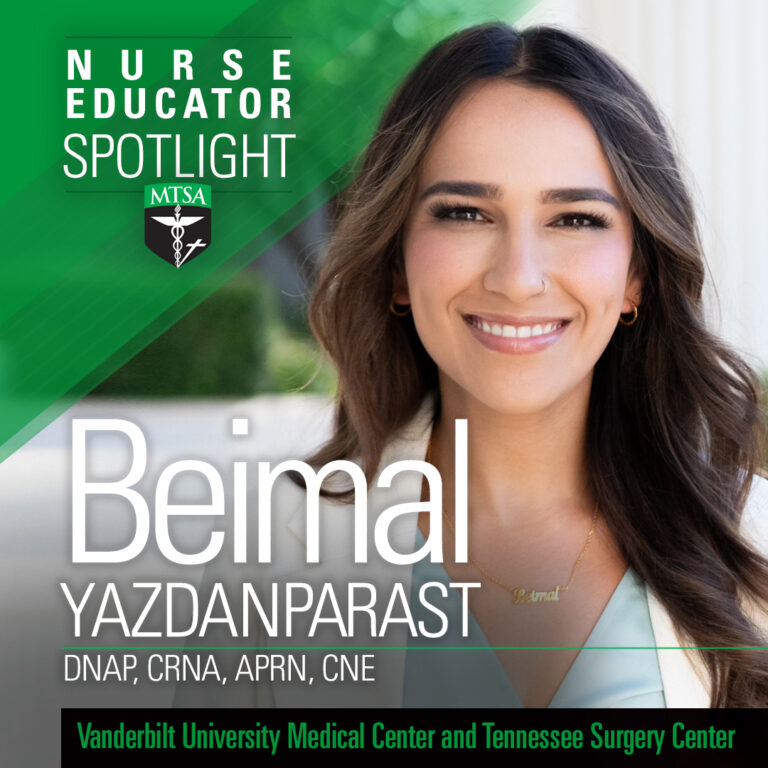
Nurse Educator Student Spotlight cover photo for Beimal Yazdanparast

Beimal Yazdanparast, DNAP, CRNA, APRN, CNE

Beimal Yazdabparast is a Certified Registered Nurse Anesthetist and Certified Nurse Educator. She has been a CRNA for six years in various settings and practices including obstetrics, pediatrics, and adult specialty anesthesia at Vanderbilt University Medical Center and Tennessee Surgery Center. Precepting over the years influenced her to complete her doctorate to teach future CRNAs. 

In conjunction with the Doctorate Completion Program, she also completed the Nurse Educator Track. While in the program, she became an adjunct faculty member teaching OB Anesthesia at MTSA. She has had the opportunity to organize lectures, present live lectures, and administer exams. Her hard work, determination, collaboration, and passion allow her to become an educator who supports SRNAs to flourish into successful and skilled CRNAs.